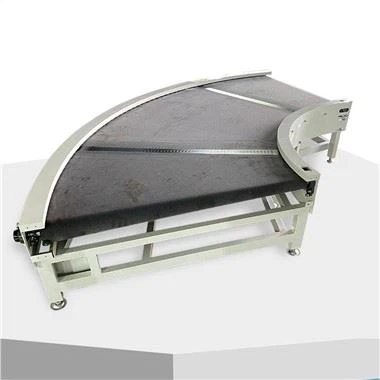
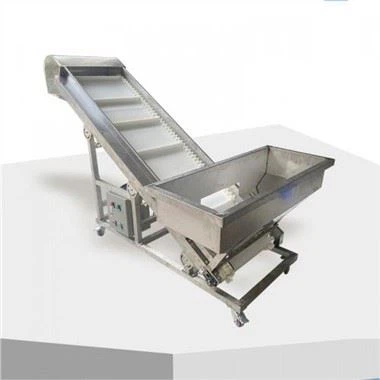
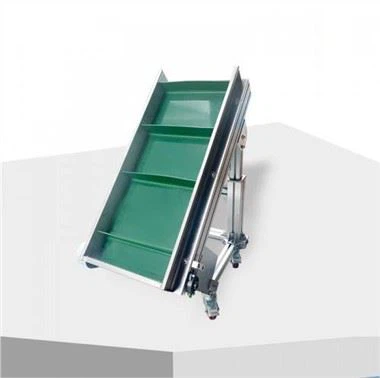
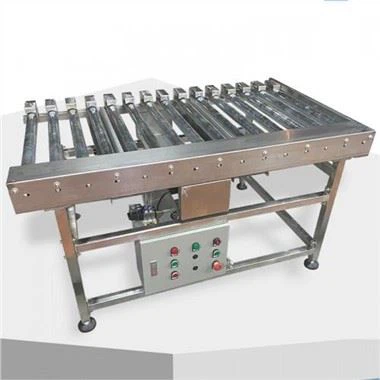
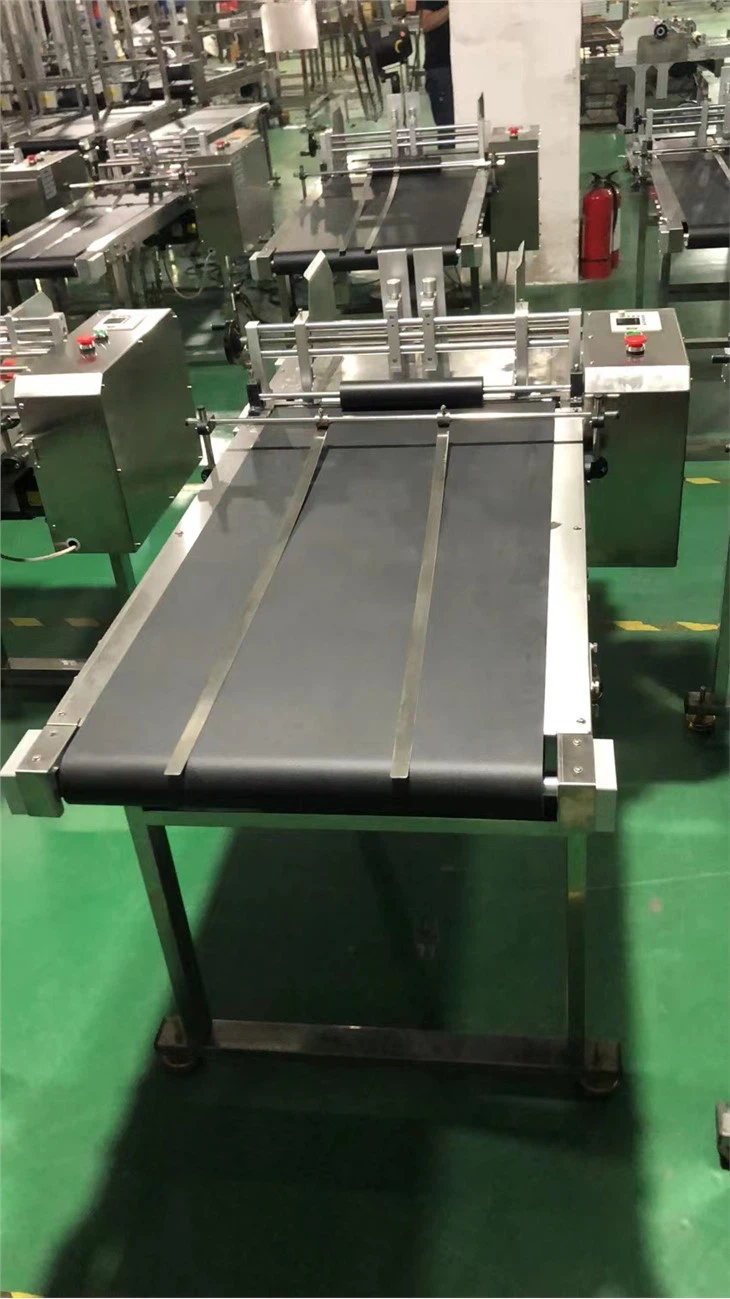
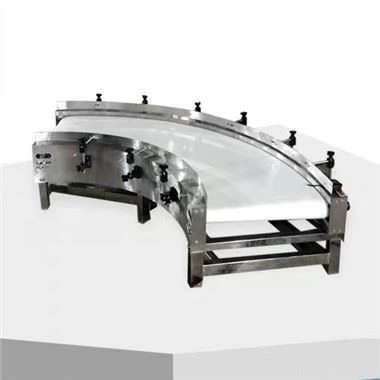
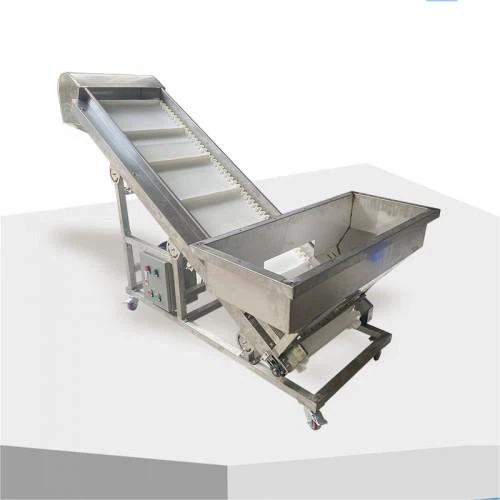
A conveyor more or less acts as a central nervous system for operations that receive, handle, store, distribute, manufacture or ship products. Selecting the right conveyor system can be challenging for warehouse managers and other stakeholders due to the several conveyor types and hundreds of possible configurations to choose from.
Also, there are several factors to consider when trying to identify and purchase the ideal conveyor system for your warehousing or distribution facility. You should simultaneously consider both product and process requirements.
First off, an ideal conveyor system must be:
Operationally safe
Energy efficient
Reliable (parts and components engineered to last).
Adaptable to changing needs.
Cost-effective (in terms of TCO, or total cost of ownership).
Installing the wrong conveyor system will quickly undermine a warehouse's operational efficiency, leading to higher cost and lower customer satisfaction, eventually stripping the business of its competitive advantage.
Product requirements
Essentially, a conveyor system is used to move items between functional areas of a distribution facility. As such, the type of item(s) to be moved will determine the design, dimensions and type of conveyor system to be installed.
What type of product is being conveyed?
What is the average weight per foot of product?
What is the maximum weight of the products?
What are the minimum, maximum and average dimensions of the product (i.e., length, width and height)?
What is the dimensional data for each product?
How are the products being conveyed and in what orientation?
Factors such as product weight, dimensions and fragility will greatly impact your decision process. The dimensions of the items in your facility will determine conveyor width, guide rail specifications and roller centers, while the weight of the products will decide roller gauge, roller diameter and motor sizing requirements.
Process requirements
Process requirements cover factors governing how the conveyor should move and the unique conditions of the operating environment. These considerations include:
The distance items need to move between functional areas.
The pathway through which it moves - are there stops, elevation changes, curves or diversions?
Product orientation - must items be positioned in a particular way (for easy scanning of barcodes, transfer, etc.)?
Transfer speed - short, rapid movement or slow, steady movement?
Ambient environment.
Available space
Flow rate
Your conveyor system should be able to handle your facility's average transfer rate as well as periods of peak demand due to seasonal fluctuations. The number of products you need to transport per hour (or per minute) will determine conveyor length and speed.
Also, certain kinds of conveyors are ideal for certain products. A large plastic chain conveyor is best used for transferring plastic-footed pallets, while a chain-driven roller conveyor is best suited for wooden pallets. Also, the former is best used for moving smaller boxes or totes than the latter.
Transfer requirements
The point where items are transferred to and from the conveyor is a critical one. Most conveyors use side to side transfers, powered transfers, dead plates, gravity rollers, etc. to facilitate this. Products with a smaller footprint may require a powered transfer, while larger and longer products may need gravity rollers.